44% of reef-building corals are threatened — and the tally stops at 2020
October 16, 2026 · By John Ian Lau
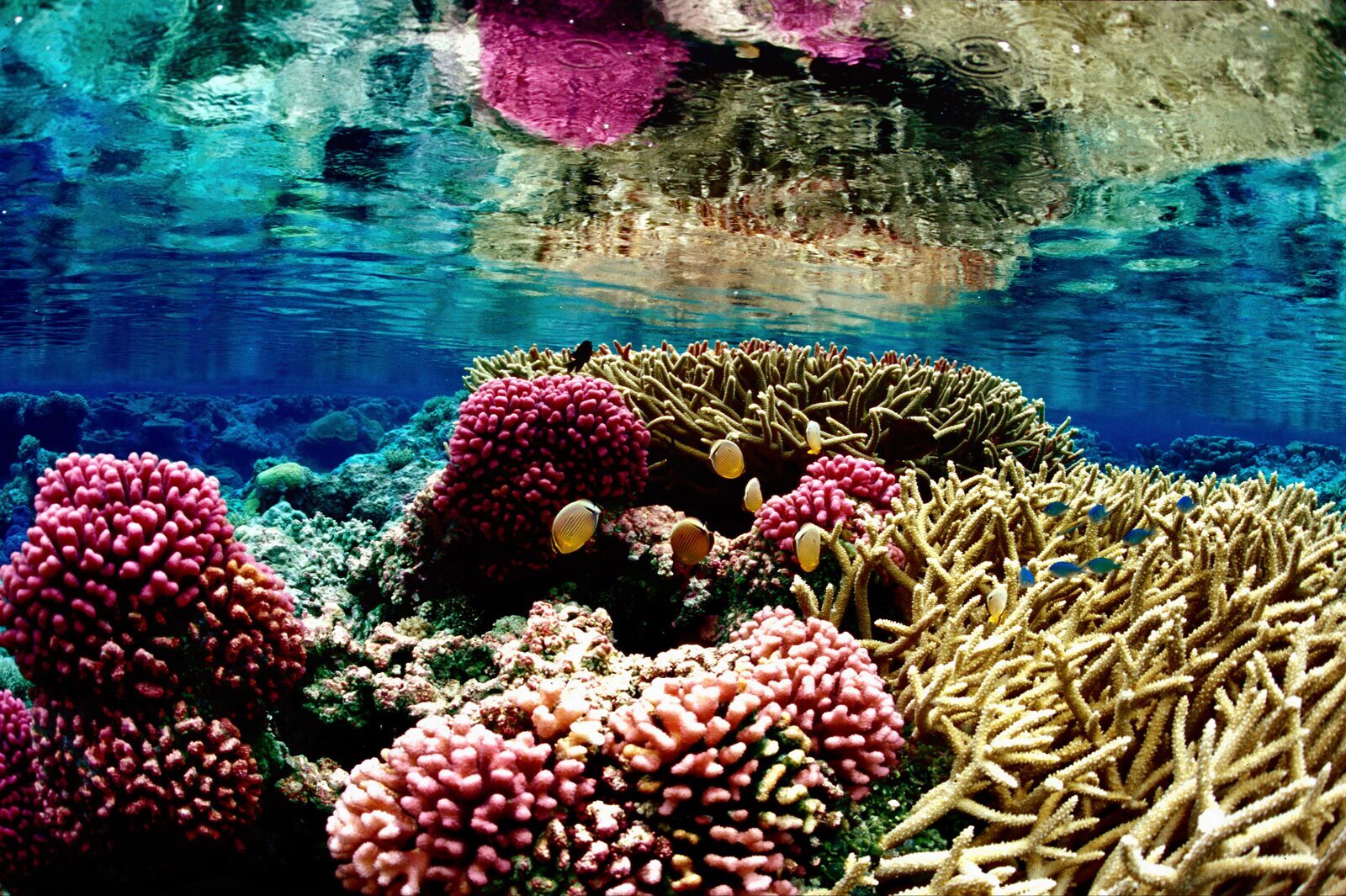
Forty-four per cent of assessed reef-building coral species are threatened with extinction, according to a global reassessment published on October 15. The headline comes with a consequential timestamp: the assessment uses data through 2020, before the fourth global coral-bleaching event. The research team reviewed 892 species; among the 774 with enough information to assess, 340 were classified as Critically Endangered, Endangered or Vulnerable. The result is a measure of species-level extinction risk, not a claim that 44 per cent of all reef area has disappeared. (IUCN’s October 15 assessment; study published in Nature.)
The categories matter. Thirty-three species are Critically Endangered, 251 Endangered and 56 Vulnerable; 118 others remain Data Deficient. Compared with the first global assessment in 2008, the share at risk has risen from about one-third. A separate Red List Index, which tracks changes across assessed species, fell from 0.96 before 1998 to 0.89 in 2008 and 0.74 in 2024. The two measures tell a consistent story of deterioration, but neither substitutes for a fresh census of how individual reefs are faring today. (IUCN Red List assessment and index figures.)
“This assessment provides the most comprehensive evaluation to date of global extinction risk among reef-building corals, and a stark warning of the accelerating increase in global threats to coral reefs,” said Dr David Obura, co-chair of the IUCN Species Survival Commission Coral Specialist Group and director of CORDIO East Africa. The assessment draws on more than 60 coral experts and combines observed coral-cover trends, projected severe-bleaching exposure and species traits associated with vulnerability. Climate change determined the status of more than 90 per cent of species in the highest-risk categories, IUCN said. (IUCN.)
The intervening heat makes the time gap more than a technical footnote. NOAA says bleaching-level heat stress affected about 84 per cent of the world’s coral-reef area from early 2023 to mid-2025, across the Pacific, Atlantic and Indian oceans; mass bleaching was documented in at least 83 countries and territories. Exposure to bleaching-level heat stress is not the same as saying every affected coral died, but it shows how much has changed since the assessment’s data cutoff. (NOAA’s June 2026 review.)
“We are now in the era where reefs will bleach on a near-annual basis, which means defining when global events begin and end is becoming increasingly difficult,” said Derek Manzello, coordinator of NOAA’s Coral Reef Watch, when the agency reported that the fourth mass-bleaching event likely ended in mid-2025. NOAA’s conclusion followed a check for widespread bleaching during the Southern Hemisphere summer; its outlook warned that an El Niño-related rise in ocean temperatures could bring another period of elevated risk. That forecast is a warning, not confirmation that a new global bleaching event has begun. (NOAA Coral Reef Watch.)
Risk is uneven, too. IUCN found 43 per cent of assessed Indo-Pacific species and 50 per cent of assessed Atlantic species to be threatened. “Coral reefs are experiencing rapid environmental change, but responses vary greatly among species and regions,” said Dr Francoise Cabada-Blanco, co-chair of the IUCN Coral Specialist Group and a professor at the University of Portsmouth. Her point is practical: local reef conditions and species traits affect what conservation and restoration can accomplish, even as limiting global warming remains essential. (IUCN’s regional results and Cabada-Blanco’s statement.)
For governments, reef managers and funders, the new Red List is a sharper baseline, not a final verdict on every reef. Its authors say the present share of species at risk is likely higher than 44 per cent because the assessment predates the 2023–25 bleaching event and later warming; the developing 2026–27 El Niño adds uncertainty. The distinction between a global species assessment and on-the-water monitoring argues for both: updated population evidence to identify which corals are most vulnerable, and sustained local observation to track heat stress, disease and recovery. The 118 Data Deficient listings also mark where better evidence could change future decisions. (IUCN’s caveats; NOAA’s account of heat stress and monitoring.)
For OceanVines, this work reflects our mission to illuminate the inner sparks of every life we touch through our efforts in ocean conservation and education. A clear account of risk is a starting point: the harder test is turning updated science into choices that leave reefs—and the communities who rely on them—with room to recover.
Together, we celebrate The Greatest Good.