A Pacific seabed-mining hearing puts the U.S. review process under public scrutiny
October 13, 2026 · By John Ian Lau
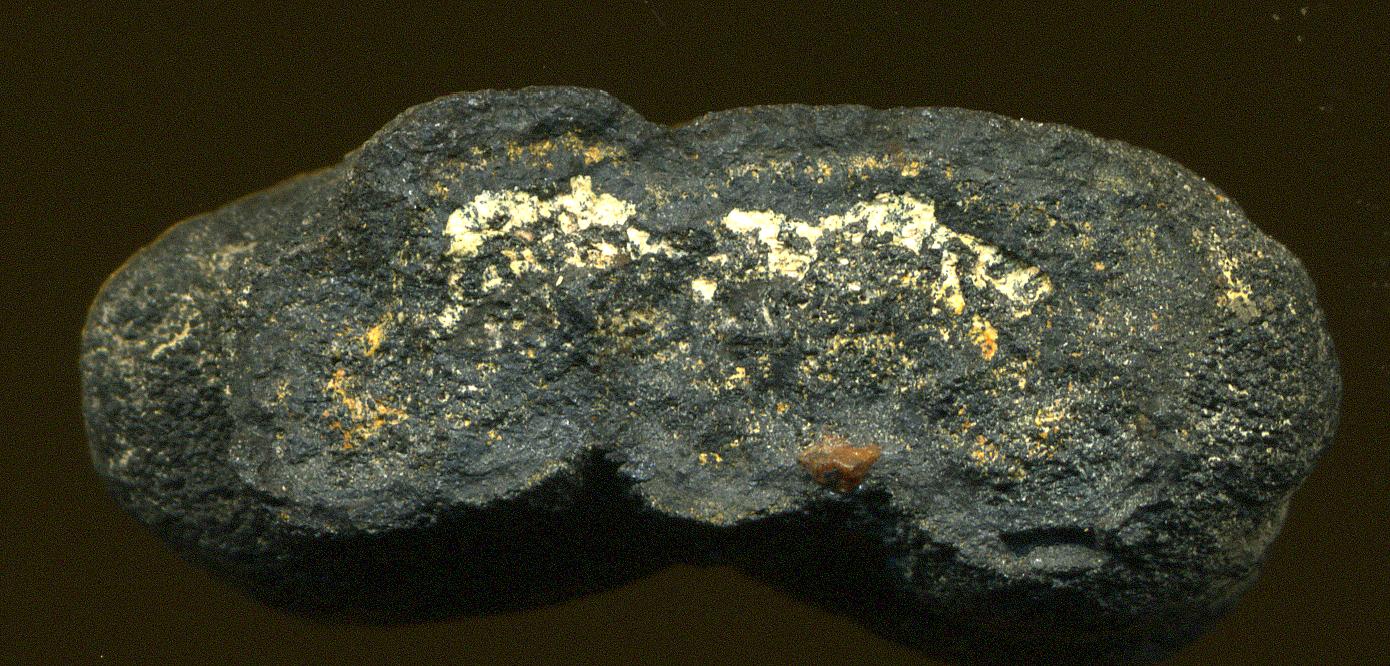
An application can be ready for review without being ready for a permit. That distinction comes into view this week as NOAA is due to hold a virtual public hearing on The Metals Company USA’s bid to explore and commercially recover minerals from the Pacific seabed. The session is scheduled for October 13, 3–5 p.m. Eastern Time; attendance required advance registration, which closed on October 9. Written comments remain open through October 19, according to NOAA’s announcement and the Federal Register notice. The local stakes are also surfacing in Hawaiʻi: Kauaʻi Now reported on October 12 that NOAA’s public-input window is part of the region’s current conservation agenda.
TMC USA is seeking both an exploration license and a commercial-recovery permit for a consolidated application covering the Clarion-Clipperton Zone, an area of the central Pacific beyond national jurisdiction. NOAA says it has determined that the filing meets the information requirements of the Deep Seabed Hard Mineral Resources Act. That is a procedural threshold: it is not a permit, a final certification or a finding that commercial mining is environmentally acceptable. NOAA says feedback will inform its decision on whether the company can be certified; a further environmental impact statement would follow if the application passes that stage. The agency outlines those next steps here.
The distinction matters because two different decisions are in play. The current hearing and written docket are about the application now before NOAA; later review would examine the environmental consequences and could create another comment opportunity. The Federal Register notice says the oral hearing does not replace written comments, which must be filed under docket NOAA-NOS-2026-1751 by October 19. For communities, researchers and conservation groups, the written record is the route to place detailed evidence and questions on the agency’s file—not simply a reaction to the headline. The official notice lists the docket and submission rules.
NOAA Administrator Neil Jacobs framed the agency’s stated ambition in its August announcement: “NOAA is proud to set the global standard for science-based deep sea mining practices,” he said. The agency’s immediate task, however, is narrower: assess the application against statutory requirements, consider comments and determine whether certification criteria are met. NOAA’s release describes the review as an interim step, not authorization to begin commercial recovery.
The environmental question extends beyond the nodules themselves. Seabed collection can lift sediment from the bottom, while material separated from recovered nodules may be discharged back into the ocean. Both processes create plumes whose paths and reach matter to habitats on the seafloor and in the water column. Researchers at Scripps Institution of Oceanography have described plume behaviour as an area where observation and measurement are needed to understand impacts beyond the mined patch.
“There are many different kinds of impacts on the bottom of the ocean floor and in the water column; Alford is tackling the most poorly understood part,” said Lisa Levin, then a deep-sea ecologist and distinguished professor at Scripps, in the institution’s 2018 account of sediment-plume research. The study described possible routes by which suspended material could spread and affect surrounding habitats; it also made the case for field data to improve impact predictions. The age of that research is a reminder of the baseline challenge: regulators need evidence that is specific to a proposed operation, not just a generalized promise of responsible practice. Scripps’ research account details the questions scientists set out to measure.
The conservation community sets a more precautionary bar. The IUCN’s deep-sea mining position records a 2021 member resolution calling for a moratorium until environmental risks are understood, robust impact assessments and safeguards are in place, and public consultation is built into decisions. That is IUCN’s policy position, not NOAA’s legal test. The contrast sharpens the public question: how much baseline data, independent monitoring and enforceable response planning is enough before an activity that could alter an understudied ecosystem advances?
The October comment deadline gives the debate a practical focus. Written submissions can ask what ecological baselines will be measured, how plume movement will be tracked, whether observations will be independently checked and what thresholds would trigger a pause or corrective action. Those questions connect a permitting file to the science needed for meaningful oversight, while avoiding the false choice between critical minerals and ocean protection. NOAA’s process leaves those issues to the review ahead.
At OceanVines, our mission is to illuminate the inner sparks of every life we touch through our efforts in ocean conservation and education. The Pacific’s mineral frontier calls for decisions grounded in evidence, transparent process and care for the living systems that cannot be reconstructed on a policy timetable.
Together, we celebrate The Greatest Good.