Nairobi Convention’s 15 decisions test whether the Western Indian Ocean can fund the follow-through
October 10, 2026 · By John Ian Lau
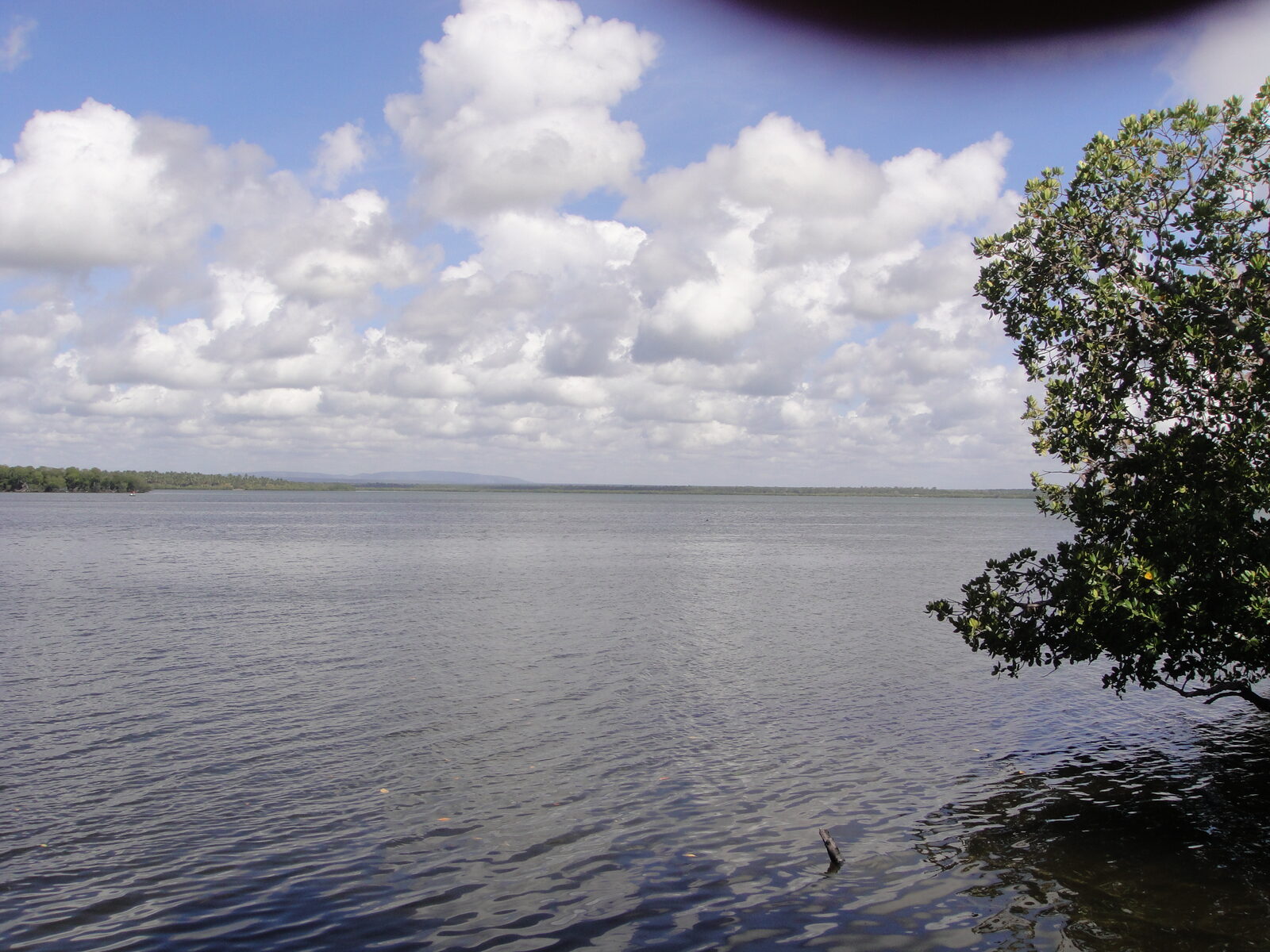
The Western Indian Ocean’s newest regional ocean-governance agenda arrives with a clear scorecard but no shortcut to delivery. The Nairobi Convention’s 12th Conference of the Parties (COP12), which closed in Dar es Salaam on October 9 during the convention’s 40th-anniversary year, adopted 15 decisions to advance protection and sustainable development across the region. The measures span marine biodiversity, pollution, governance and the blue economy; their value will depend on whether governments can turn that breadth into coordinated work on the water and along the coast. UNEP’s conference account describes the decisions, while the Nairobi Convention’s COP12 page records the meeting’s dates and regional remit.
The agreed package connects institutional plumbing to visible ecosystem priorities. Parties advanced the 2025–2035 Integrated Work Programme, backed the operationalization of a Regional Ocean Governance Strategy, and called for stronger ecosystem monitoring, science-policy links and information systems. They also supported a regional plastic-pollution strategy, action for mangroves, seagrasses and coral reefs, and a contingency plan for major marine-pollution incidents. A regional approach to implementing the Biodiversity Beyond National Jurisdiction Agreement was another priority, with calls for wider ratification and stronger regional readiness and capacity-building.
That combination matters because environmental pressures and administrative borders do not line up neatly. Marine spatial planning, shared information and joint response arrangements can help national agencies coordinate decisions across connected habitats and coastlines. COP12’s decisions also called for ocean accounting, blue-finance mobilization and inclusive investment that benefits communities, women and young people. The official release, however, announced no new funding total for those regional priorities; it called for continued resource mobilization and the fulfilment of financial commitments. The distinction between an agreed direction and a funded implementation plan is the test ahead.
“Forty years after the establishment of the Nairobi Convention, COP12 has demonstrated the strength of regional cooperation and a shared commitment to a sustainable ocean future,” said Elizabeth Maruma Mrema, Assistant Secretary-General of the United Nations and UNEP Deputy Executive Director, in the conference’s closing account. She added that the challenge is to turn commitments into action that protects ecosystems, strengthens livelihoods and builds resilience. Her formulation puts implementation—not the number of resolutions—at the centre of the anniversary’s legacy.
There is a national-finance example in the same ocean basin, although it is separate from the COP12 decisions. In June 2025, the World Bank announced $227 million in combined grants and credits for two Tanzania projects: one for sustainable marine fisheries and aquaculture management, and another for locally led climate action. The package illustrates how ecosystem management and community resilience can be supported through distinct financing instruments; it is not a COP12 pledge and does not itself fund the new regional measures.
“These two initiatives create a more holistic response to climate change—protecting both natural ecosystems and the people who depend on them,” said Nathan Belete, the World Bank’s Country Director for Tanzania, Malawi, Zambia and Zimbabwe, when the financing was announced. The example makes the regional agenda’s financing language concrete: national programmes can back marine livelihoods and local resilience, while cross-border coordination is still needed for shared habitats, pollution risks and high-seas obligations. Replicable financing, transparent targets and reporting on delivery will determine whether political consensus gains practical reach.
The COP brought together the Nairobi Convention’s ten contracting parties, from Comoros and Madagascar to Kenya, Mauritius, Mozambique, Seychelles, Somalia, South Africa, France and Tanzania. That regional breadth is an asset only if it is matched by consistent national follow-through: laws, budgets, monitoring and agencies able to work across sector lines. The next measure of success is not another anniversary milestone but whether the 15 decisions become funded programmes, maintained ecosystems and more resilient coastal livelihoods.
At OceanVines, our mission is to illuminate the inner sparks of every life we touch through our efforts in ocean conservation and education. The Western Indian Ocean’s next chapter will be written in the practical work of turning shared commitments into durable care for people and ocean.
Together, we celebrate The Greatest Good.