Samoa’s tsunami-readiness milestone is 17 communities strong — the next test is keeping it that way
October 7, 2026 · By John Ian Lau
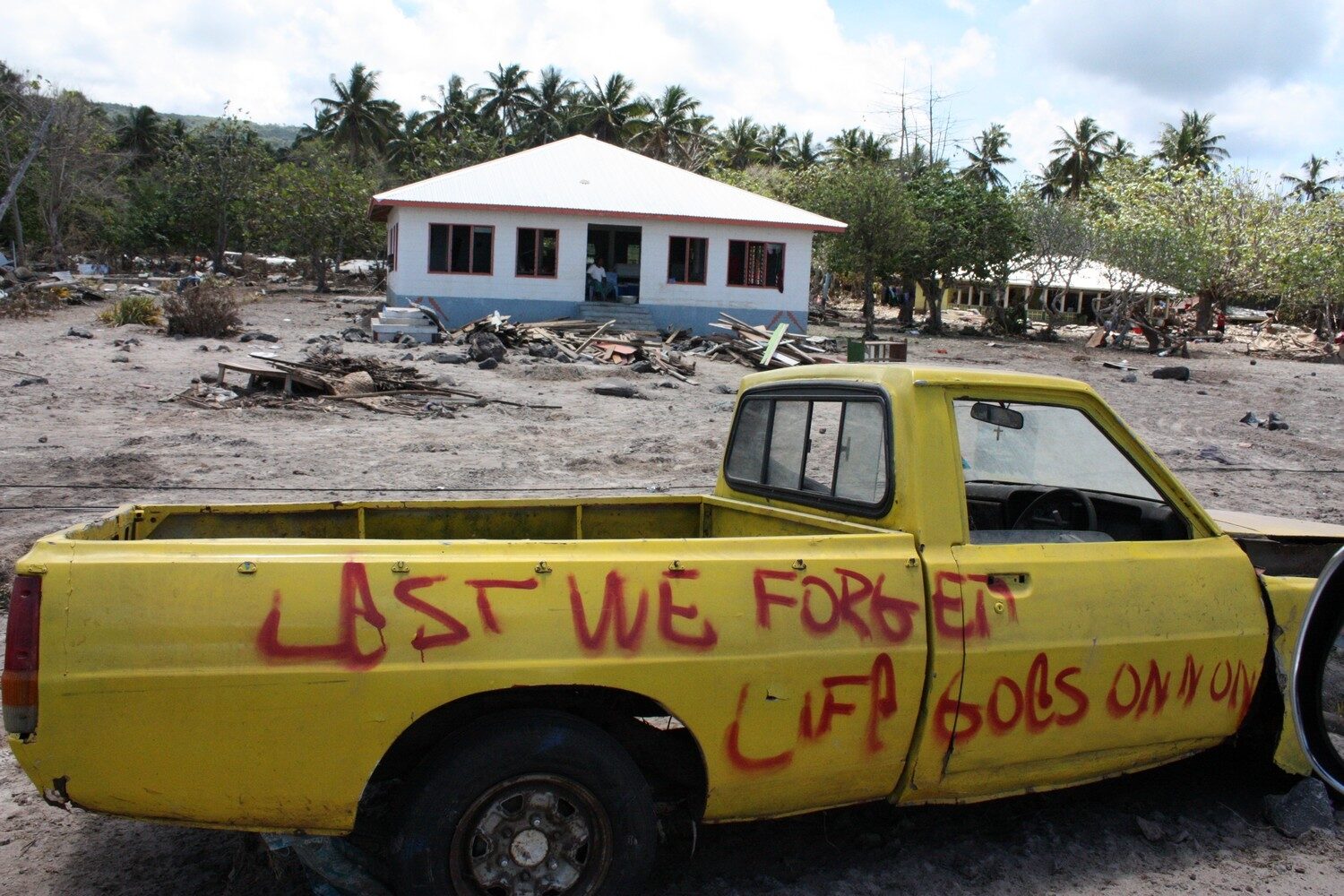
Samoa’s tsunami-readiness effort has reached a new operating milestone: 17 communities in the Aleipata and Lepa districts have been recognized under UNESCO’s Intergovernmental Oceanographic Commission (IOC) Tsunami Ready programme. A UNESCO report published October 5 said the ceremony coincided with the 17th anniversary of the 2009 disaster, linking a hard-won community memory to a formal preparedness standard. The achievement is tangible, but it is not a finish line.
The history explains the stakes. On September 29, 2009, earthquakes near Samoa triggered tsunami waves that killed at least 192 people across Samoa, American Samoa and Tonga, including 149 in Samoa, according to the U.S. National Centers for Environmental Information’s account of the disaster. The same agency says Samoa has since built a round-the-clock national earthquake and tsunami warning center, expanded sirens and text alerts, and created community-led evacuation maps and signs. Recognition now gives local preparedness a shared benchmark, rather than replacing the national warning system.
The UNESCO-IOC framework is designed to test whether the pieces work together before a warning arrives. Communities must meet all 12 indicators across risk assessment, preparedness and response: map hazard zones, approve evacuation maps, conduct public outreach and exercises, maintain an emergency plan, and provide reliable ways to receive and relay official alerts. The status is voluntary, performance-based and renewable every four years; it recognizes mitigation steps, not immunity from a tsunami. That distinction matters for residents, visitors and local leaders planning for an event that may allow little time to act.
“Tsunami Ready is where science serves communities. It is where warning systems become meaningful because people know how to act. It is where preparedness planning becomes community ownership. And ultimately, it is where knowledge becomes resilience,” said Sardar Umar Alam, UNESCO’s Director and Representative to the Pacific States, in remarks reported by UNESCO. The logic is operational: hazard knowledge only becomes protection when households know the route, alerts reach them, and drills turn instructions into practiced decisions.
The Samoa effort has also focused on the language of the warning itself. UNESCO reports that Samoa adopted a revised tsunami alert-level order after technical work through 2026 with its national agencies, UNESCO-IOC, the International Tsunami Information Centre (ITIC) and the Pacific Tsunami Warning Centre. Consistent alert terms can reduce the risk that agencies and communities interpret the same warning differently. That is particularly important in a region where tsunami threats may cross borders and where national procedures need to connect to regional warning arrangements.
“We are happy that the work is now leading to the changeover of tsunami alert definitions that will reduce confusion and align Samoa with the rest of the region,” said Dr. Laura Kong, ITIC director, in the same UNESCO account. The centre’s official profile identifies Kong with both NOAA and UNESCO-IOC and says ITIC is hosted by NOAA’s National Weather Service in Honolulu. The partnership links international standards and technical support to national warning operations, while community leadership supplies the last mile.
Recognition should therefore be read as an investment in maintenance. UNESCO says the 17 communities will continue maintaining evacuation routes, warning systems, awareness programmes and regular exercises. Under the programme’s rules, communities must sustain those capabilities and renew recognition on a four-year cycle. Route signs can fade, household membership changes, and new residents may not know the safest path. Keeping readiness current is less visible than awarding certificates, but it is the work that makes the recognition meaningful.
The initiative contributes to the UN Ocean Decade goal of preparing all tsunami-risk communities by 2030, according to UNESCO, but national totals alone will not show whether residents can act on a warning. Samoa’s milestone points to a more useful measure: whether science, alert operations, local authorities and village-level plans remain connected in practice. For an island nation shaped by the 2009 disaster, readiness is a capability to rehearse and renew, not a promise that the hazard will not come.
At OceanVines, our mission is to illuminate the inner sparks of every life we touch through our efforts in ocean conservation and education. In Samoa, that commitment is reflected in the everyday work of making ocean risk understandable and preparedness actionable.
Together, we celebrate The Greatest Good.