ADB puts $6 billion behind Southeast Asia’s blue-economy test
September 22, 2026 · By John Ian Lau
Southeast Asia’s ocean economy is moving from policy slogan to financing test. The Asian Development Bank (ADB) said on September 19 that it will mobilize up to $6 billion through 2030 for the ASEAN Blue Economy Initiative, putting fisheries, aquaculture, coastal resilience, port-linked value chains and marine-pollution controls in one investment frame.
The timing matters. Southeast Asia’s seas carry food, jobs, trade and tourism, yet the natural capital underneath those industries is being worn down by ecosystem degradation, plastic waste and fishing pressure. ADB’s initiative is designed to support the ASEAN Blue Economy Framework and its 2026–2030 implementation plan, while also strengthening the policy, institutional and data foundations that investors need before capital can move at scale.
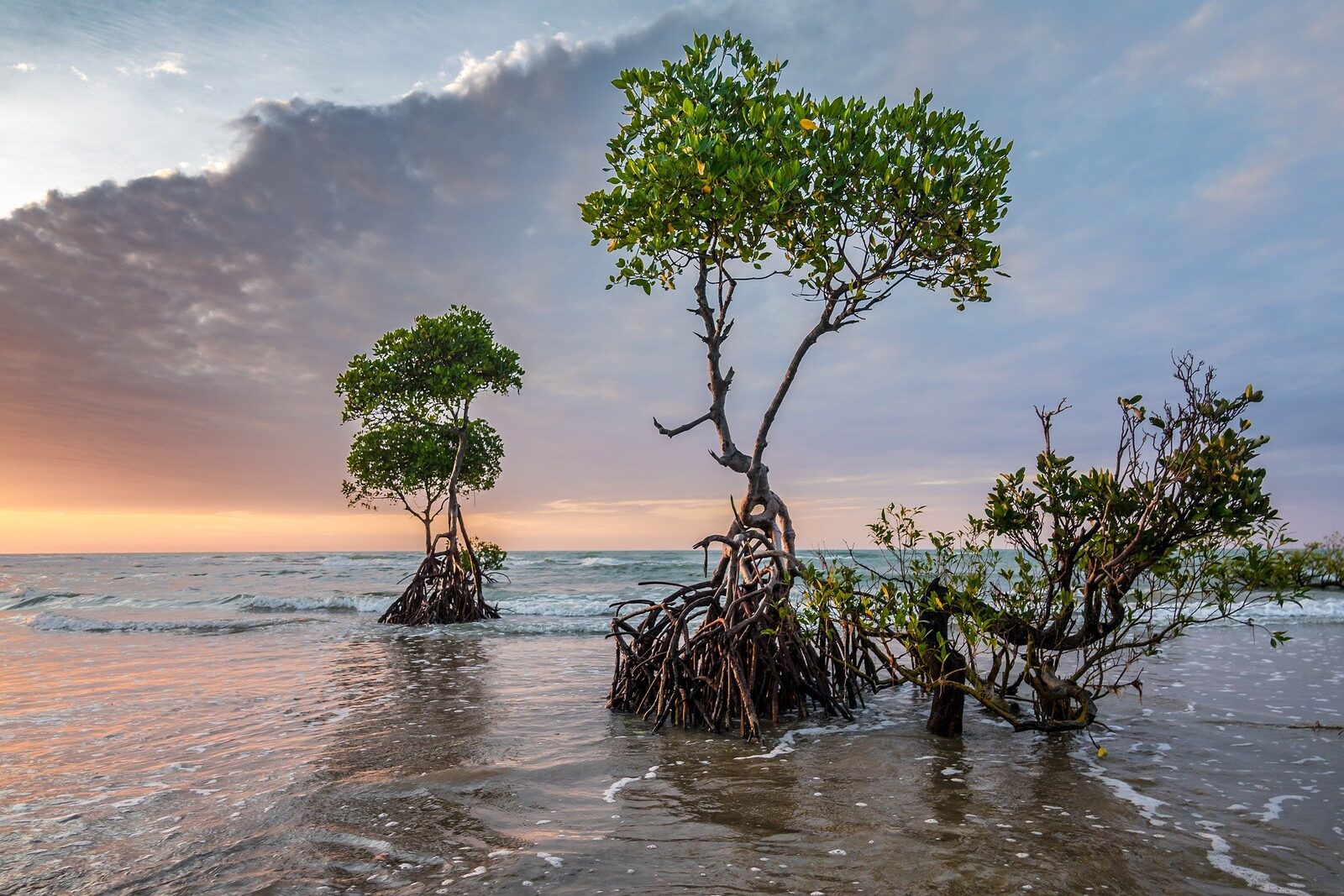
“The ocean is not just an environmental priority; it is the economic foundation of Southeast Asia,” ADB President Masato Kanda said. The line is more than a communications flourish: it sets the central investment question. If coastal ecosystems are productive infrastructure, then mangroves, fisheries data, waste systems and shoreline protection cannot be treated as optional add-ons to growth.
The bank’s second priority is practical: reduce the pollution that begins inland. ADB says support will extend to upstream water and solid-waste systems because much of what reaches the sea does not originate at the coast. That creates a broader pipeline than a conventional marine-protection grant, linking municipal services and circular-economy solutions to the health of fisheries and coastal communities.
It also fits a wider shift in development finance. In a September 17 update, World Bank Group President Ajay Banga said the institution mobilized $112 billion in private capital in fiscal 2026. “The result is $112 billion mobilized this year, more than three times where we started,” Banga said, adding that the work ahead is to keep removing barriers and driving more capital into developing economies. For ocean projects, that logic raises the bar: public money must build credible data, bankable systems and safeguards rather than simply announce ambition.
The real-world test will be allocation and accountability. A headline number becomes meaningful only when communities can see which fisheries are restored, which shorelines are safer, how pollution is stopped upstream and whether small-scale producers share in the gains. The NOAA Fisheries’ September 21 aquaculture feature offers a useful reminder from another coastline: responsible seafood farming can create jobs, support coastal communities and protect marine environments, but outcomes depend on how the sector is managed.
That is where finance meets stewardship. The blue economy is not a license to extract more from the sea; it is a discipline for making ecological limits visible in budgets, project design and performance metrics. Southeast Asia now has an unusually clear opportunity to prove that coastal resilience and economic competitiveness can reinforce each other.
At OceanVines, our mission is to illuminate the inner sparks of every life we touch through our efforts in ocean conservation and education. We will be watching whether this initiative turns capital into healthier waters, resilient livelihoods and public trust. Together, we celebrate The Greatest Good